Sustainable Landscaping: Eco-Friendly Practices for a Greener Lawn Feb 10, 2026
Sustainable landscaping starts with understanding the local ecosystem. Choosing native plants is essential, as they are better adapted to the local climate and soil conditions. This reduces the need for excessive watering and pesticides. Native plants also support local wildlife, including beneficial insects and birds, creating a balanced ecosystem in your garden.
Another crucial aspect of sustainable landscaping is water conservation. Traditional lawns often require significant amounts of water, contributing to resource depletion and increased water bills. Consider installing a rainwater harvesting system to collect and store rainwater for irrigation. Drip irrigation systems are also an excellent way to minimize water usage, delivering water directly to the plant roots where it is needed most.
Composting is a great practice to enhance soil fertility naturally. Instead of using chemical fertilizers that can be harmful to the environment, compost made from kitchen scraps and yard waste enriches the soil and increases its moisture retention capacity. Compost adds essential nutrients to the soil, leading to healthier plants and reducing the need for chemical inputs.
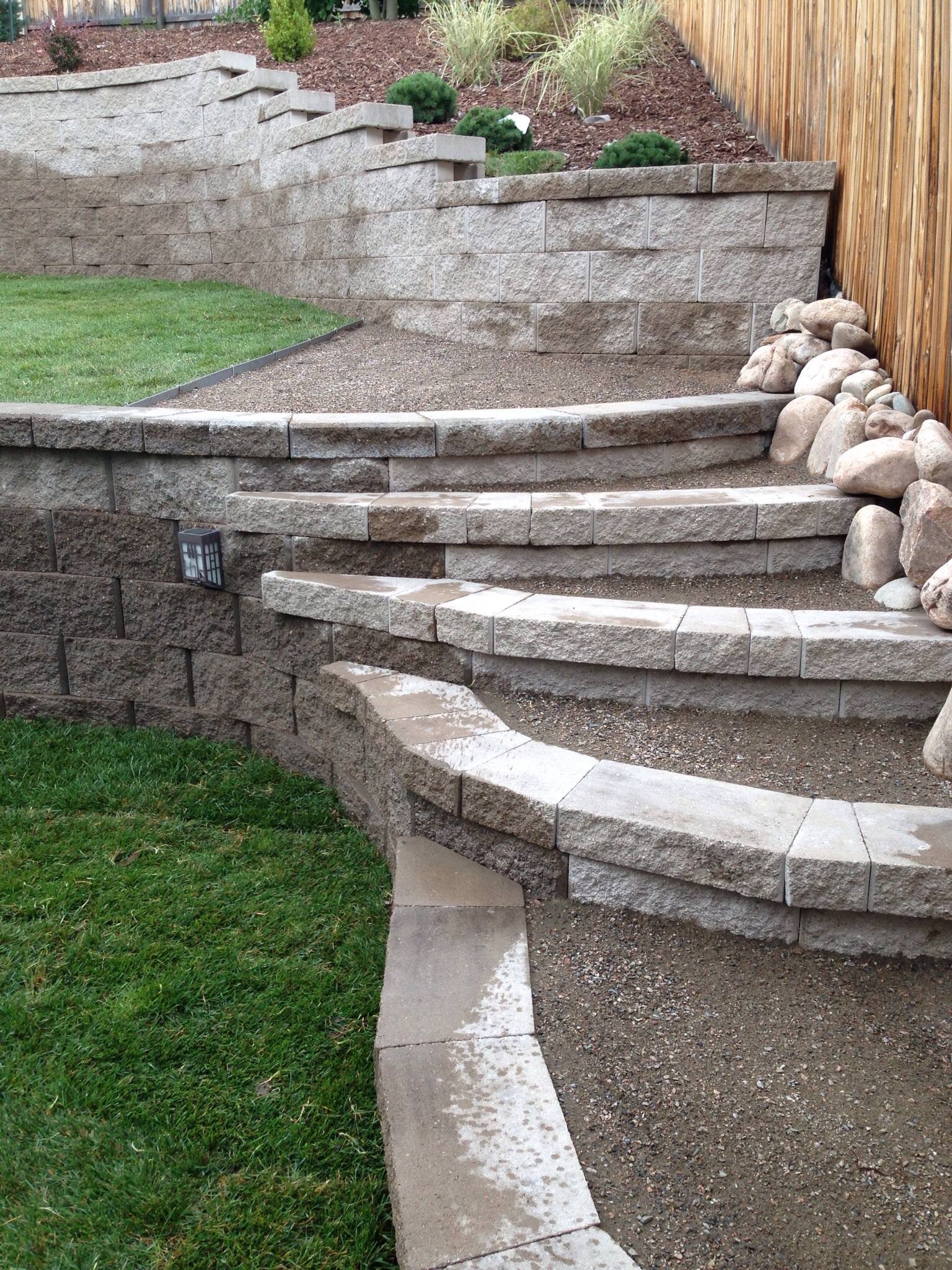
The design of your landscape can also contribute to its sustainability. Incorporate hardscaping elements like stone pathways or permeable pavers, which reduce soil erosion and manage stormwater runoff more effectively. By strategically placing these elements, you can create outdoor living spaces that require less maintenance and resources.
Integrated Pest Management (IPM) is an eco-friendly approach to maintaining a healthy garden. Rather than relying solely on chemical pesticides, IPM focuses on preventing pest problems through cultural, mechanical, and biological controls. Encourage natural predators, such as ladybugs or birds, to inhabit your garden. Regularly monitor plant health and only use pesticides as a last resort, selecting the least harmful options.
A sustainable lawn also encourages biodiversity. Incorporate a variety of plants to create a rich tapestry of textures and colors that attract diverse pollinators. This diversity not only enhances the aesthetic appeal of your lawn but provides habitat and food sources for wildlife, promoting ecological balance.
Consider reducing the size of your traditional grass lawn. Transitioning to a meadow-like space with wildflowers and other ground covers can offer a low-maintenance alternative that supports local fauna. These spaces require fewer resources to maintain and provide a vibrant habitat for pollinators.
The key to sustainable landscaping lies in careful planning and mindful practices. At Double Leaf Landscaping and Repair, we are dedicated to helping you implement these eco-friendly strategies to create a beautiful, sustainable lawn. By choosing sustainable landscaping, you not only contribute to environmental conservation but also enjoy the personal satisfaction of nurturing a greener, healthier outdoor space.
/filters:no_upscale()/filters:format(webp)/media/301132f9-13f2-4aa5-ae71-cab0140c40b2.jpeg)