Blog
Integrating Nature's Wonders: Crafting Seamless Transitions in Outdoor Spaces
Outdoor spaces should be more than just extensions of our homes; they should feel like a part of the natural environment. Successful integration of landscapes can be achieved by thoughtfully combining elements like plants, rocks, water features, and lighting to enhance the area’s natural aesthetics. Each element plays a critical role in crafting a space that is both functional and beautiful.
The initial step in crafting a seamless transition in outdoor spaces is assessing the existing natural ecosystem. Look at the native plants and the climate of your region. By choosing flora that naturally thrives in your area, you ensure that your landscape is not only beautiful but sustainable. Native plants require less maintenance and watering, promoting biodiversity and attracting local wildlife such as birds and butterflies.
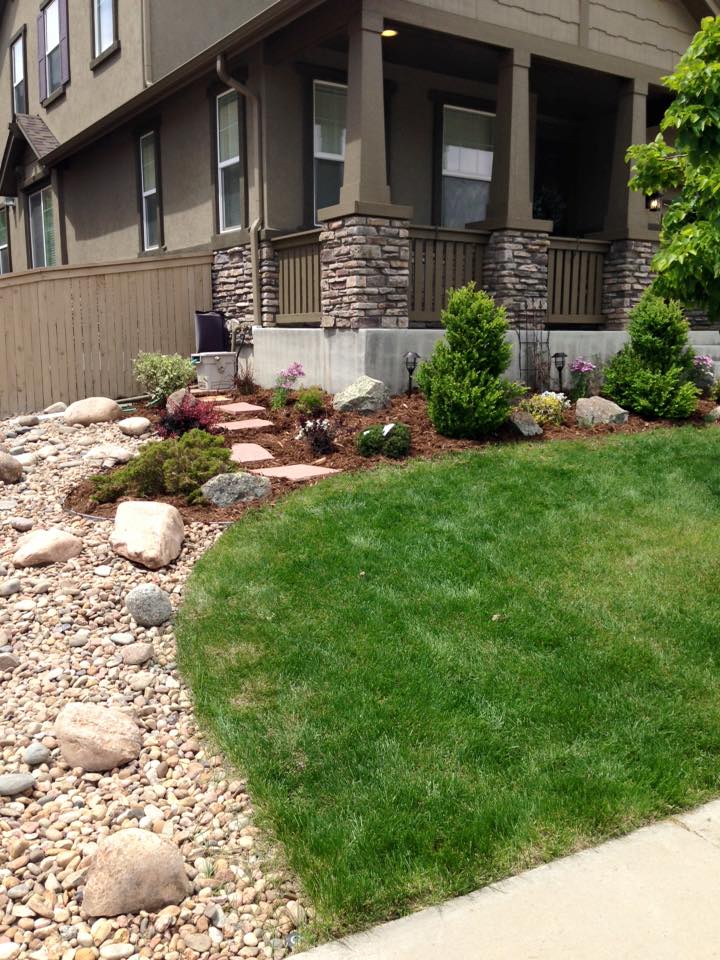
Next, consider the balance between softscape and hardscape elements. Hardscaping refers to the non-plant material used in landscape design, such as paths, patios, and walls. The trick is to ensure that your hardscaping elements complement the natural environment without overpowering it. Using materials like stone, wood, or gravel can blend your design seamlessly into the landscape. For instance, choosing locally sourced stone for garden paths can mirror the natural geological features of the area, making transitions smoother and more organic.
Incorporating a water feature adds another layer of natural beauty. Whether it's a small birdbath or a larger pond, water elements can create a sense of tranquility and invite a variety of wildlife to your garden. The sound and movement of water can also serve as a focal point or provide a relaxing ambiance. When designing these features, it’s important to ensure they meld with the existing landscape. For example, a naturally shaped pond with irregular edges planted with native aquatic plants can enhance the natural feel of your outdoor space.
The use of lighting in your landscape can also be a powerful tool for creating seamless transitions. Strategically placed lights can highlight key features like trees or architectural elements, providing depth and dimension. Solar-powered lights along pathways not only illuminate but also add a subtle touch that enhances the natural feel. Soft, warm lighting can especially help the garden transition smoothly from day to night.
Finally, remember that achieving harmony between your home and its external environment is most successful when ongoing maintenance is considered part of the design. Regular pruning, seasonal replanting, and cleaning of hardscape features ensure that your outdoor space remains inviting and aligned with nature's rhythms.
Double Leaf Landscape & Home Repair emphasizes the importance of working with both the natural environment and architectural elements to achieve seamless transitions in outdoor spaces. By focusing on the region's native elements, aesthetically pleasing hardscaping, thoughtful water features, and effective lighting, you can craft a garden that not only reflects your personal style but also complements the beauty of the natural world. With these considerations in mind, your outdoor space will thrive organically and continue to provide a peaceful retreat for years to come.